

Food makes or breaks an event. Whether it’s a corporate meeting, university function, staff appreciation breakfast, or private party, what you serve sets the tone for the whole thing.
The most common question event planners ask is straightforward: how far in advance should we book catering?
It depends on the size of your event, the time of year, and how complex your menu is. Book too late and you’re stuck with whatever’s left. Book early and you get first pick with a lot less stress.
Here’s what the typical timelines look like.
The “Golden Window” for Different Events

Different events need different lead times. Your menu complexity and guest count determine how much runway a caterer needs.
Corporate Meetings and Breakfasts (1-2 Weeks)
For routine business functions like a morning team meeting with coffee and pastries, or a lunch-and-learn with sandwich platters, the timeline is shorter.
- Ideal Time: 7 to 14 days in advance.
- Minimum: 48 to 72 hours. Many cafes like Mochas can handle short-notice requests for small groups, but booking a week out guarantees your specific menu choices (like that popular gluten-free option) are available and your delivery time is locked in.
Social Gatherings and Parties (1-2 Months)
Planning a baby shower, graduation party, or holiday mixer? You’re competing with everyone else celebrating the same thing.
- Ideal Time: 4 to 8 weeks in advance.
- Why: These events usually fall on weekends or during peak seasons (May for graduations, December for holidays). Caterers have limited delivery times and staff for any given date. Booking early gets you on the calendar before they hit capacity.
Weddings and Large Galas (6-12 Months)
For major life events or large corporate galas with hundreds of guests, you need a much longer runway.
- Ideal Time: 6 to 12 months in advance.
- Why: These events require menu development, tastings, and often specialized equipment rentals. Popular caterers book up over a year out for prime Saturday dates in spring and fall.
The Impact of Seasonality
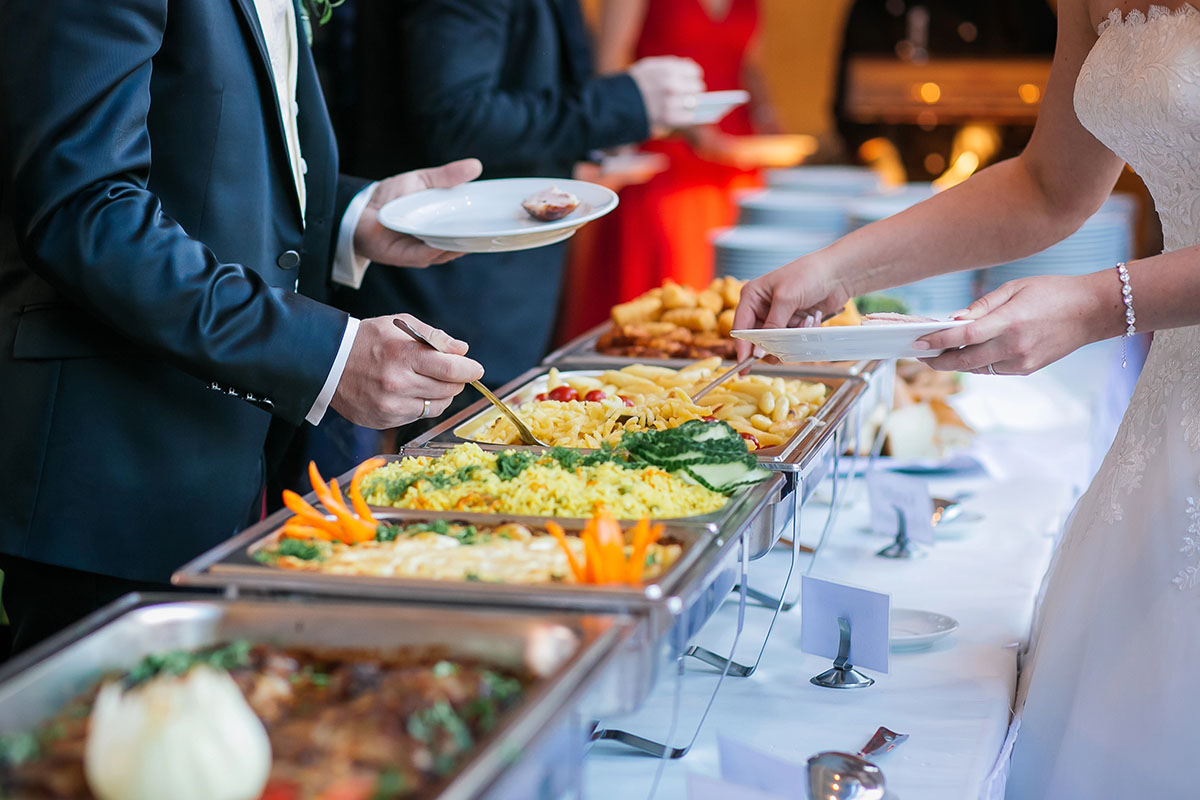
The calendar controls availability. Certain times of year push lead times out further.
- Holiday Season (November – December): Every office, family, and social group is hosting a party. If you want catering during this window, book in September or early October. Waiting until November usually means settling for whatever time slots are left.
- Graduation Season (May): This is a huge month for catering, especially breakfast and brunch. Universities and high schools hold ceremonies at the same time, creating a surge in demand. Book by March to be safe.
Why Last-Minute Booking Costs More
Waiting has a financial cost. While most caterers will try to fit in a late request, it strains their operations. To fill a last-minute order, a caterer might need to pay staff overtime, rush-ship specialty ingredients, or make special delivery runs.
As a result, many contracts include a rush fee for orders placed within 24 to 48 hours of the event. Booking early protects your date and your budget from these avoidable surcharges.
What You Need Before You Call
To keep the booking process moving, have this information ready when you reach out:
- The Date and Time: Be specific. “The morning of the 12th” is vague. “Food ready to serve by 8:30 AM on the 12th” is something the caterer can actually work with.
- Estimated Headcount: You don’t need a final number yet, but knowing whether you’re feeding 20 people or 200 tells the caterer if they can take the job.
- Budget Per Head: A rough spending limit helps the caterer point you toward the right menu options right away.
- Dietary Restrictions: Mentioning known allergies or preferences (vegan, nut-free) upfront lets the caterer confirm they can safely accommodate your guests.
FAQs
Can I change my headcount after I book?

Usually, yes. Most contracts allow adjustments until a final “guarantee date,” typically 72 hours to one week before the event. It’s better to book for your estimated maximum and scale down slightly than to scramble for extra food at the last minute.
Is a deposit required to hold the date?
For larger social events and weddings, yes. A deposit (often 50%) is standard to lock in your date. For smaller corporate drop-off orders, payment policies vary, but a credit card on file is usually required.
What happens if I need to cancel?
Cancellation policies tend to be strict because the caterer may have turned away other business to hold your spot. If you cancel within a month of a large event, you’ll likely lose your deposit. For smaller corporate orders, you generally need to cancel at least 24 to 48 hours in advance to avoid being charged for food that’s already been prepped.
Do caterers provide the plates and napkins?
For drop-off catering (like coffee travelers and pastry boxes), disposables are usually included or available for a small fee. For full-service events, the caterer can arrange china, silverware, and linens, but this needs to be discussed during booking. Don’t assume these items are included.
How much space does the caterer need for setup?

It depends on the menu. A simple coffee and bagel station needs a single 6-foot table. A full hot buffet takes up a lot more room for chafing dishes and traffic flow. Ask your caterer for their space requirements so you can make sure your venue or conference room can handle it.
How far in advance should I book catering for a small office meeting?
For meetings under 30 people, one to two weeks ahead is usually enough. During peak seasons, give yourself extra time. If your meeting falls during a busy local event or holiday period, add a buffer.
Is there a difference in lead time between coffee catering and full meals?
Yes. Coffee and pastry service takes less prep time than full hot meals or specialty spreads. More complex menus and staffed events need extra lead time for proper planning and staffing.
What information should I provide when requesting a catering quote?
Include the event date, time, location, estimated guest count, dietary restrictions, and service style (drop-off or staffed). The more details you share upfront, the faster and more accurate the quote will be.
Do caterers charge more for short notice bookings?

Some charge rush fees if the timeline is tight or requires special accommodations. Others may just limit menu options. It depends on capacity and timing. Booking early is the easiest way to avoid extra costs.
Book Early, Worry Less
Getting catering locked in ahead of time turns the food from an open question into a solved problem. Stick to these timelines and on the day of your event, you can focus on your guests and your agenda instead of worrying whether the coffee showed up.
At Mochas & Javas, we keep meetings and gatherings running on good coffee and good food. Whether you’re planning a quick office breakfast or a bigger celebration, reaching out early lets us give you the quality and attention your event deserves.