

You buy a bag of freshly roasted coffee, open it, and the aroma fills the room. Two weeks later, those same beans smell flat and taste muted. The difference usually has nothing to do with the roast. It’s how you stored them.
Most people blame the beans or their brewing technique. But coffee beans aren’t shelf-stable. They’re a perishable food product. From the moment they leave the roaster, chemistry is working against them.
Whether you’re storing beans at home, in an office kitchen, or for a small catering setup, a few practical habits make a real difference.
Contents
The Four Enemies of Freshness
To keep your coffee tasting good, you need to know what ruins it. Coffee beans are porous and packed with volatile oils that create their flavor. Those oils are fragile. Professional baristas protect coffee against four specific threats: air, moisture, heat, and light.
1. Oxygen (Oxidation)
This is the biggest problem. The same way iron rusts and sliced apples turn brown, coffee beans oxidize when exposed to air. Oxidation breaks down flavor compounds and oils, leaving a stale, cardboard-like taste. Leaving a bag open on the counter is the fastest way to kill your coffee.
2. Light (UV Rays)
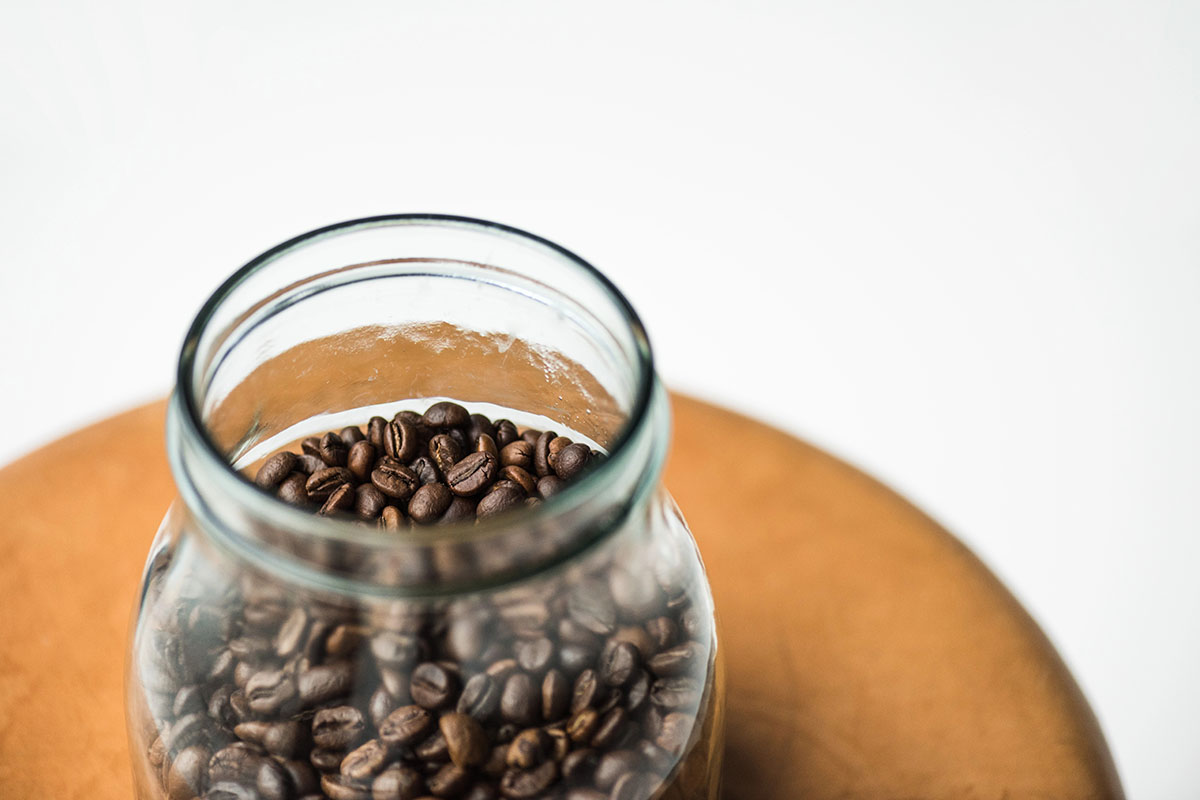
Coffee beans look great in a clear glass jar on the counter. Don’t do it. UV rays cause photodegradation, breaking down the bean’s cellular structure and degrading its fats and vitamins.
3. Moisture and Humidity
Coffee beans are hygroscopic, meaning they absorb moisture from the surrounding air. Exposed to humidity, they can start to ferment or even grow mold. Moisture on the bean’s surface can also trigger premature oil extraction, leaving nothing for the actual brew.
4. Heat
Heat speeds up the chemical breakdown of the bean. Storing coffee near the oven, on a sunny windowsill, or inside a cabinet that gets hot from appliances will flatten the flavor fast.
The Great Freezer Debate
The most persistent myth in the coffee world: store your beans in the freezer or refrigerator. The logic seems sound (we freeze food to keep it fresh), but it’s usually bad for coffee you’re using daily.
The problem is condensation. Every time you pull a cold container out of the freezer and open it in a room-temperature kitchen, moisture condenses on the beans. Put it back, and that moisture freezes. This freeze-thaw cycle damages the cell walls and introduces water where you don’t want it.
Then there’s the smell issue. Refrigerators are full of odors. Because coffee is porous, it acts like baking soda, absorbing whatever’s nearby: leftovers, onions, cheese. Nobody wants a garlic-infused latte.
The exception: You can freeze coffee if you bought in bulk and won’t open it for a month or more. Vacuum seal it in small portions, freeze it once, and only take out what you’ll use entirely. Don’t put it back after thawing.
The Ideal Storage Vessel
So where should your coffee live? Somewhere cool, dark, and dry.
The Original Bag
Good roasters package beans in foil-lined, opaque bags with a one-way valve. That valve matters. Freshly roasted coffee releases carbon dioxide (degassing), and the valve lets CO2 escape without letting oxygen in. If the bag has a solid ziplock seal, it works fine as a storage container. Just squeeze the air out before sealing.
Airtight Canisters
For something more permanent, get a dedicated coffee canister. The best ones are stainless steel or ceramic (to block light) with an airtight silicone seal. Some models have a plunger that forces air out to create a near-vacuum.
Whole Bean vs. Ground: The Surface Area Factor
If freshness matters to you, the single biggest change you can make is buying whole bean coffee and grinding it right before brewing.
It’s about surface area. A whole bean has very little surface exposed to oxygen. Grind it, and you increase that surface area dramatically. Oxidation accelerates. Ground coffee starts losing its aromatic peak within minutes. Whole beans, stored properly, can hold their best flavor for two to four weeks after roasting.
Practical Tips for Offices and Shared Spaces
In shared environments, storage problems multiply.
Common issues include:
- Containers left open
- Beans stored in the original bag with a loose fold
- Multiple people handling the same supply
- Coffee sitting next to microwaves or other heat-generating appliances
To keep things consistent:
- Use one primary container in one location
- Post a reminder to close the lid after use
- Store coffee away from heat sources
- Keep backup beans sealed until the current supply runs out
Small changes in shared spaces preserve flavor and cut waste.
FAQs
How long do coffee beans stay fresh after opening?
Stored properly in an airtight container in a cool, dark spot, whole beans keep good flavor for about two to four weeks after opening. They’re safe to drink after that, but quality drops off.
Should I keep coffee in its original bag?
Many bags have one-way valves that let gas escape but don’t fully block air once opened. For best results, transfer beans to an airtight container after opening.
Is freezing coffee safe?
It can preserve beans for longer-term storage, but you have to do it right. Divide beans into small airtight portions, freeze once, and don’t cycle them in and out. For everyday use, pantry storage works better.
Does grinding coffee ahead of time ruin it?
Grinding increases surface area and speeds up staling. For best flavor, grind just before brewing. If you need to pre-grind, store the grounds in a small airtight container and use them within a day or two.
Does heat from brewing equipment affect nearby stored coffee?
Yes. Beans stored next to coffee machines, ovens, or dishwashers are exposed to heat that accelerates flavor loss. Pick a storage spot away from anything that generates warmth.
How long do coffee beans actually stay fresh?
Coffee is safe to consume for months, but the “peak flavor” window is much shorter. Beans are typically at their best between 3 days and 4 weeks after the roast date. After a month, most of the volatile aromatics have faded, and the taste flattens out.
Can I store coffee in a clear Mason jar?
Only if you keep that jar inside a dark cabinet or pantry. If it sits on a counter exposed to sunlight or kitchen lights, UV exposure will degrade the quality. Opaque containers are always the safer choice.
Does the roast level affect how I should store it?
The storage approach stays the same (airtight, cool, dark) regardless of roast. But dark roasts have more oil on the bean’s surface. Those surface oils go rancid faster than oils trapped inside a lighter roast, so dark roasts tend to be more sensitive to heat and oxygen.
What is the “Roast Date” and why does it matter?
The “Best By” date is often arbitrary and set for food safety, not quality. The “Roast Date” tells you when the coffee was actually processed. Look for bags that list a specific roast date so you know you’re buying beans that are days old, not months.
Respect the Roast
Coffee is an agricultural product that traveled thousands of miles and went through a complex roasting process to reach your kitchen. Treating it with care is the last step in that chain. A proper container and some distance from heat and light protect the investment you made in your morning cup.
If you’re not sure about the freshness of your current supply, or you need to restock, visit Mochas and Javas. We can help you pick a roast that suits your taste and grind it to your specifications if you don’t have a grinder at home.